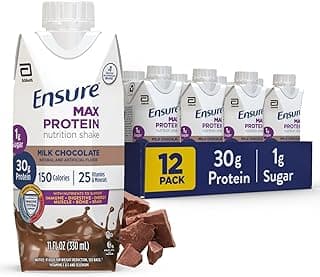
Ensure · Dairy
Max Protein Shake | Milk Chocolate | Ready to Drink | 30g Protein for Muscle Health | 1g...
30 g91 cal33g/100cal
$27.97Amazon
Methodology · 3 min read · Updated
Protein density measures how much protein a snack provides for a fixed amount of calories. 180cal uses protein per 100 calories because it helps shoppers compare products that all claim to be high protein but do not carry the same calorie cost.
Protein density is a cleaner way to compare high protein snacks because it connects the protein number to the calorie number. A snack with 30g protein can be excellent, but only if the calories and serving size also fit the job.
180cal shows protein per 100 calories because it makes different product formats easier to compare: bars, drinks, pouches, chips, powders, and dairy products can all sit in one catalog without pretending they are identical.
Protein density is simple:
protein per 100 calories = protein grams / calories * 100
For example, a snack with 30g protein and 150 calories has 20g protein per 100 calories. A snack with 15g protein and 150 calories has 10g protein per 100 calories.
Both may clear the baseline 180cal rule if they have at least 8g protein and fewer than 180 calories, but the first product is more protein dense.
Protein grams are easy to market. Calories are easier to ignore. A shopper searching for high protein snacks under 180 calories needs both facts in the same view.
Protein alone can mislead when:
Protein density does not solve every problem, but it makes the first comparison much better.
| Example | Listed protein | Listed calories | Protein per 100 calories |
|---|---|---|---|
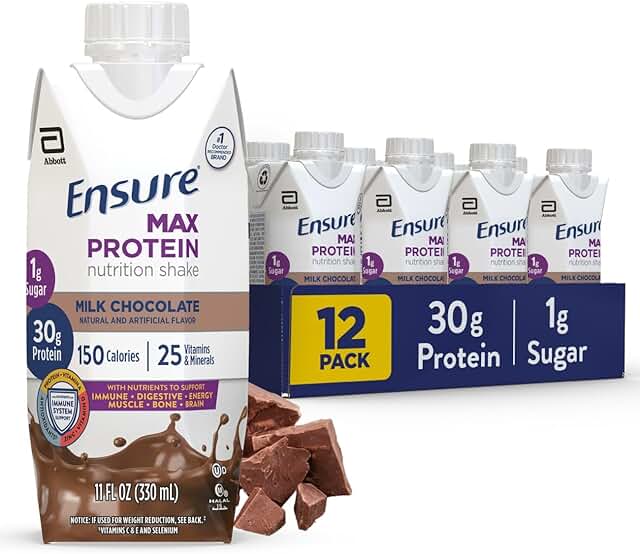
| Ensure Max Protein Shake | 30g | 91 | 33.0g |
| Slate Ultra Protein Shake | 30g | 130 | 23.1g |
| David Protein Bar, Red Velvet | 28g | 150 | 18.7g |
| Quest Protein Chips Variety Pack | 19g | 130 | 14.6g |
This table shows why a useful blog post should do more than name products. It should show the comparison method.
Use protein density after the product clears the basic 180cal rule. First ask whether it has at least 8g protein and fewer than 180 calories per serving. Then use protein per 100 calories to compare the strongest options.
Do not use protein density as the only decision. Taste, ingredients, allergens, price, availability, package size, and shopping context still matter.
Protein per 100 calories is one of the clearest content pillars for 180cal because it explains why the site exists. The catalog is not just a list of Amazon products. It is a way to compare protein-first snacks against the same calorie-aware rule.
For a shopper-facing example using protein shakes, package price, and calories together, read the price vs calories protein shake guide.
Ensure · Dairy
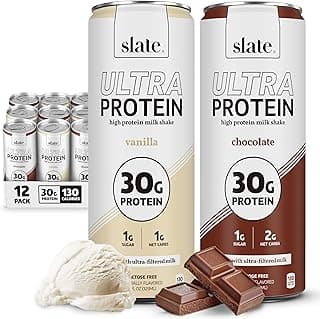
Slate · Dairy
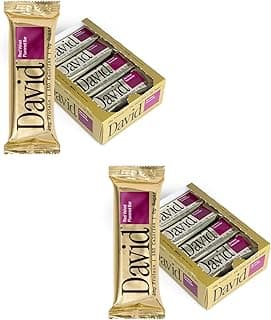
David · Bars
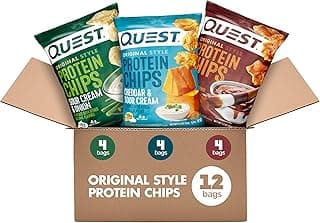
Quest · Bars
Protein density is the amount of protein a product provides relative to calories, often shown as grams of protein per 100 calories.
It lets shoppers compare products that have different serving sizes, calorie counts, and protein claims without relying on protein grams alone.
No. 180cal uses protein density for snack comparison, not medical or dietetic advice. Shoppers should still check ingredients, allergens, and labels.