Slate · Dairy
Milk - Ultra Protein Shake - Best Sellers Pack - Chocolate, Vanilla - 30g Protein, 1g Sugar...
30 g130 cal23.1g/100cal
$41.99Amazon
Drinks · 3 min read · Updated
Protein drinks under 180 calories are strongest when they combine 20g to 30g or more protein with a clear bottle, pouch, packet, or scoop serving. 180cal ranks them by the same rule as the rest of the catalog: at least 8g protein and fewer than 180 calories per serving.
The best protein drinks under 180 calories are not just the drinks with the biggest protein label. They are the drinks where the listed serving is clear, the calorie count stays below the cap, and the product page gives enough context to verify the package before buying.
Ready-to-drink shakes are usually easier to compare because one bottle or carton maps cleanly to one serving. Powders can still be useful, but shoppers should read serving instructions more carefully.
For protein drinks, check these fields in order:
The first two fields decide whether the product fits 180cal. The rest decide whether it is actually useful for your shopping context.
| Drink example | Listed protein | Listed calories | Format note |
|---|---|---|---|
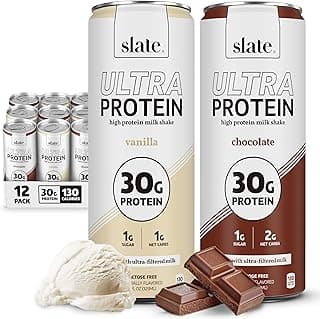
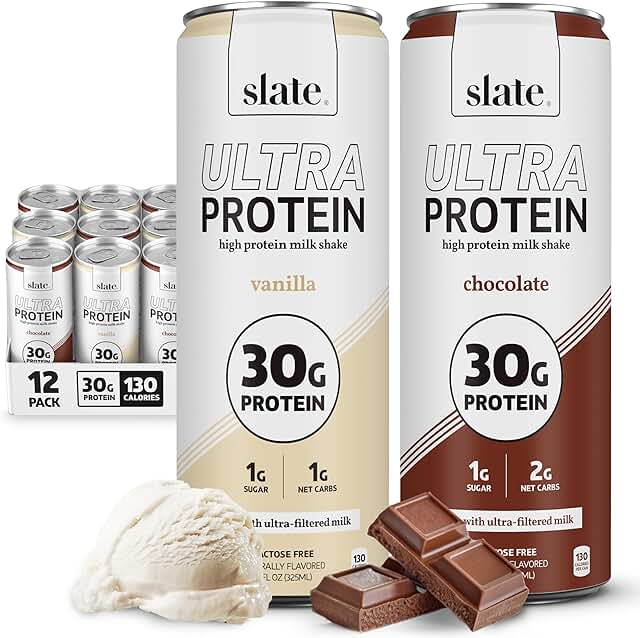
| Slate Ultra Protein Shake | 30g | 130 | Ready-to-drink milk shake format. |
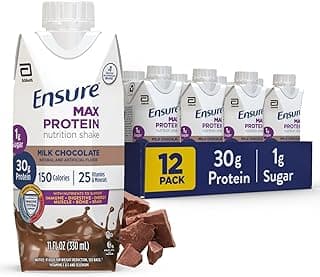
| Ensure Max Protein Shake | 30g | 91 | Ready-to-drink shake in the current catalog entry. |
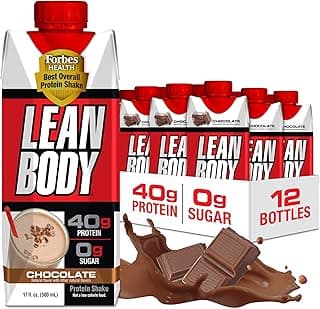
| Labrada Lean Body RTD Shake | 40g | 100 | High listed protein in a ready-to-drink format. |
| Premier Protein Shake | 30g | 160 | Common shake format that still fits the calorie cap in the catalog. |
These examples are useful starting points because they make the serving easier to reason about than vague "high protein" claims.
Ready-to-drink shakes are better when convenience matters. They are easier to compare in search results, easier to keep in a fridge, and easier to map to the serving listed in the catalog.
Powders can have excellent protein density, but the final calories depend on the scoop, water or milk choice, and whether the shopper adds anything else. For SEO and answer-engine pages, this distinction matters because "protein drink" can mean both a sealed bottle and a powder that becomes a drink later.
If you want the simplest comparison, start with ready-to-drink shakes. If you care most about protein density, compare the grams of protein per 100 calories and then verify the serving instructions. The 180cal rule keeps both kinds of protein drinks in the same comparison lane.
If your search starts with price, calories, and "healthy snack" language, use the price vs calories protein shake guide next. If price is the main constraint, use the protein shakes under $20 guide or the live protein shakes under $20 collection.
Slate · Dairy
Ensure · Dairy
Labrada · Drinks
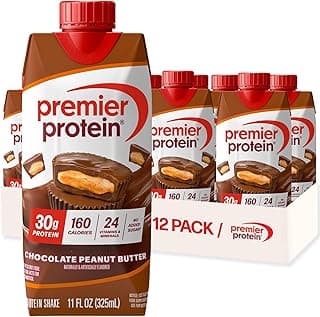
Premier Protein · Dairy
The best option depends on serving format and taste preference, but 180cal starts with drinks that list at least 8g protein and fewer than 180 calories per serving.
They can clear the same 180cal rule, but powders require extra serving-size review because the actual scoop and mixing choice can change the eating experience.
Amazon listing data helps shoppers compare package count, product identity, images, and handoff context before buying on Amazon.