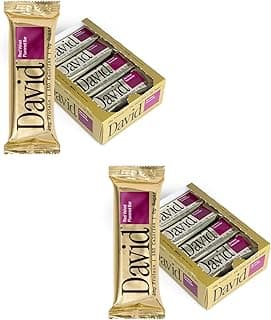
David · Bars
Protein Bar, Red Velvet, 24 Protein Bars | 28g of Protein | 150 Calories | 0g of Sugar - High...
28 g150 cal18.7g/100cal
$78.00Amazon
Bars · 3 min read · Updated
Protein bars under 180 calories should be judged by protein density, serving clarity, and whether the Amazon listing still matches the package claim. 180cal starts with bars that list at least 8g protein and fewer than 180 calories per serving.
The best protein bars under 180 calories are the bars that deliver meaningful protein without hiding the calories in an unusual serving size. A strong bar page should make three facts easy to see: protein, calories, and serving.
That is why 180cal treats a protein bar as a comparison problem, not just a product name problem.
Protein bars often compete on big front-of-package numbers. A bar may say 20g, 25g, or 28g protein, but that number is only useful when you know the calories attached to it.
Protein density helps with that comparison. It asks: how much protein do you get for 100 calories? A 28g protein bar at 150 calories is a very different shopping result from a bar that reaches the same protein with a much larger calorie load.
| Bar or portable snack | Listed protein | Listed calories | 180cal reading |
|---|---|---|---|
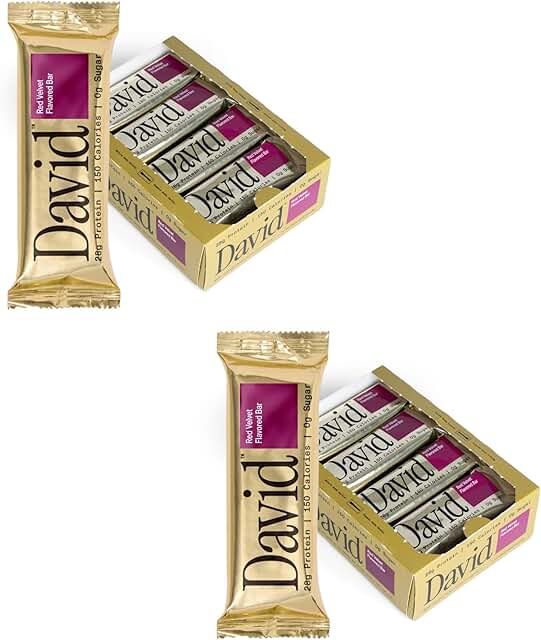
| David Protein Bar, Red Velvet | 28g | 150 | Strong protein density and clear bar format. |
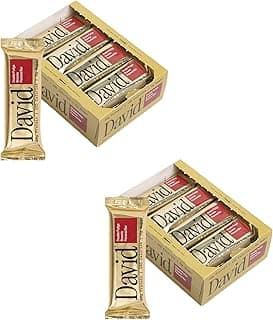
| David Protein Bar, Fudge Brownie | 28g | 150 | Similar macro profile in a different flavor listing. |
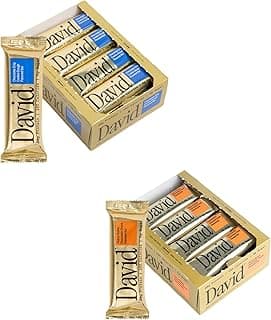
| David Protein Bar variety listing | 28g | 150 | Useful when comparing multipack flavor options. |
| Epic Venison Bar | 12g | 80 | Lower total protein, but still a compact savory bar option. |
| Quest Protein Chips Variety Pack | 19g | 130 | Not a bar, but often competes for the same portable snack job. |
This kind of table is the template 180cal blog posts should use: direct, factual, and tied to the catalog.
Serving size is the first issue. If the package has multiple bars or multiple servings, compare the individual serving rather than the box.
Sugar and sweetener claims are the second issue. A low sugar claim can be useful, but it does not replace checking calories, protein, ingredients, and allergens.
Availability is the third issue. Amazon listings can change package count, seller, price, and delivery promise. 180cal can help shortlist products, but Amazon owns the final purchase flow.
For a classic protein bar search, David bars are strong current catalog examples because they combine 28g protein with 150 listed calories. For a less sweet portable option, savory bars and protein chips may be worth comparing next to bars even when the product format is different.
If price is the main constraint, use the protein bars under $20 guide or the live protein bars under $20 collection before opening Amazon.
David · Bars
David · Bars
David · Bars
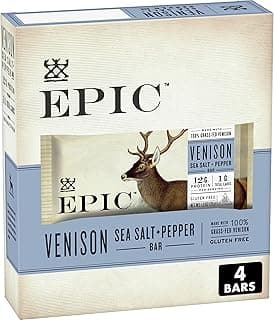
Epic · Bars
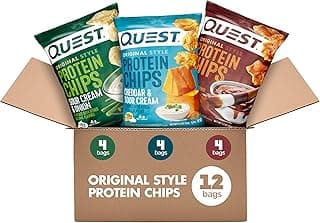
Quest · Bars
Yes, some catalog entries clear that bar. 180cal still recommends checking the current Amazon listing and package label before buying.
Not exactly. 180cal separates products by catalog category, but shoppers may compare bars, chips, and meat snacks when they want a portable high protein snack.
Check serving size, sugar claims, allergens, package count, live Amazon price, and whether the product still matches the listing shown in the catalog.